Escape room 12+
Walking Death
2 - 7 people60 minutesDifficult
Company Game Over Lisbon
Difficult
Not scary
Without actorsActors
PortuguêsGame language
About the escape room
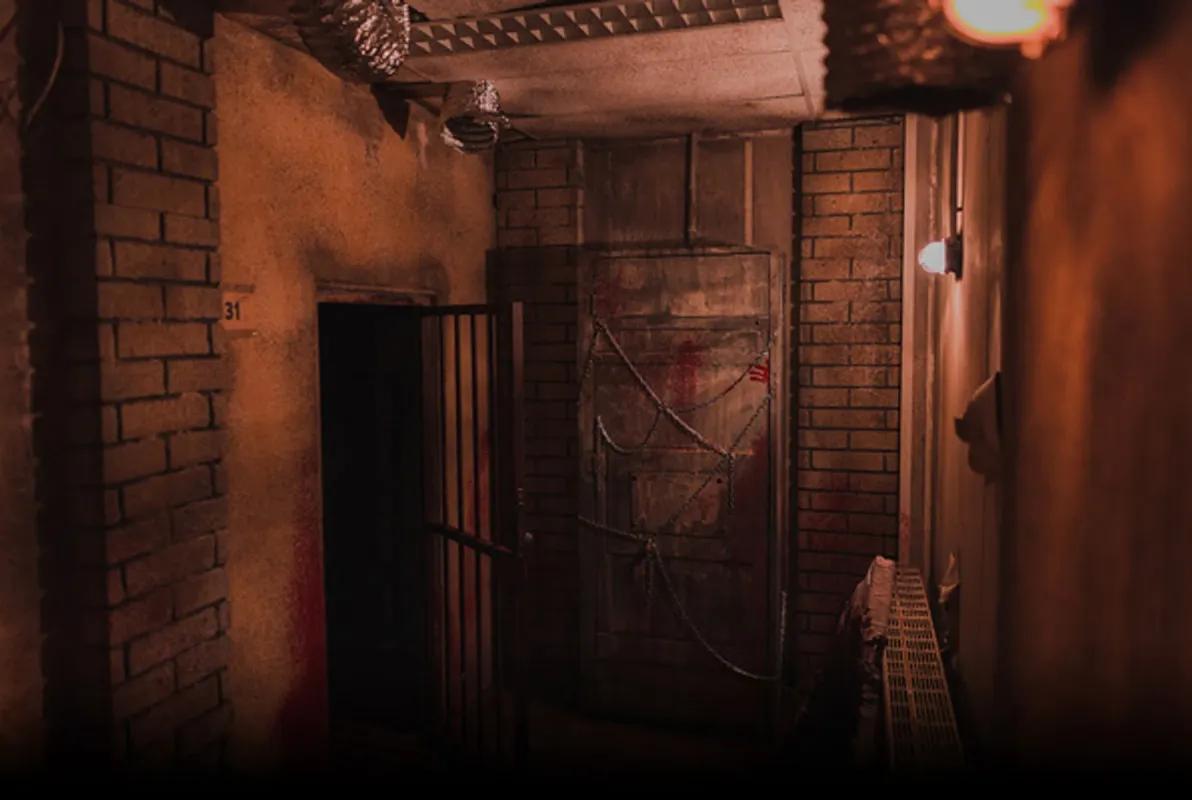
Your team survived hell, not only did they fight against the living dead, they had to face groups of suspicious and hostile people. A week ago you found this abandoned prison! You were lucky to eliminate some ZOMBIES that were trapped there. Now you will try to establish your base there, rebuilding and repairing the fortifications of each block of the prison, step by step. Today Block 3, known as the Solitary Block is the objective...
AIThere are no reviews for this escape room yet.
Leave your first review and receive bonus points for it 🎯
Brief assessment
Navigator AIIf you dig post-apocalyptic horror, Walking Death delivers serious scares, immersive prison settings, and tension that never lets up. Great for those chasing adrenaline with puzzles that actually keep your brain busy.
The owner of this escape room has not yet confirmed their details.
If you are the owner of this escape room, please confirm your details so that customers can see your contact information for bookings.Location
900 metros da Estação do Comboio Cais do Sodré (Train Station)
500 metros da Estação de Metro Baixa Chiado (Subway)
400 metros do Parque Camões (Parking)
50 metros do Parque Calçada do Combro (Parking)
50 metros da paragem do “Calhariz” Elétrico 28 (Tram)"
Paid Parking
Wifi
Wardrobe
AI Overview
AIReviews hammer on the strong atmosphere and room-to-room transitions, with plenty of well-timed jump scares. Puzzles divide opinion: some find them creative and challenging, others say they’re not very intuitive—especially in the first room where most time is lost. The game master usually helps well and with spot-on timing. There are occasional reports of technical glitches and one serious safety incident in a dark area.
WeaknessesSome puzzles feel trial-and-error and can seem illogical, especially at the start. There were complaints of locks opening out of order and mechanisms only working after GM intervention.
StrengthsVery convincing prison environment, with constant suspense and a few jump-out-of-your-seat moments. Transitions between spaces are memorable, and when the puzzles flow, you get that satisfying sense of progress.
SecurityMost report no issues, but there was a serious injury linked to a bolted object in a dark area and confusion around lighting. It’s worth asking for a clear briefing on what’s safe to touch and how to activate lights before starting.
Level of fearIt’s genuinely scary, with moments of darkness and unexpected scares; not really suitable for kids or the very horror-sensitive. People with a zombie phobia may find it tough.
Actors' gameWhat stands out most is the game master’s support, described as attentive and efficient with hints. No clear consensus on in-room actors, but the scares and radio/help interaction keep engagement high.
Quality of riddlesDecent variety with some unique ideas, but logical consistency varies from session to session. The first room is usually the densest and where teams get stuck. When everything works, the experience feels fair; when there are tech failures, frustration climbs.
PlotThe team tries to turn an abandoned prison block into a safe base, clearing and reinforcing the solitary cells while fleeing the undead. The narrative pushes progression room by room, with a focus on Block 3.
Difficulty levelDifficulty is above average, especially at the start; small, focused groups tend to do better. Beginners may need hints to avoid getting stuck in the first room.
Other escape rooms at this location
Walking Death2 - 7 people
Escape rooms in Lisbon by category
Pick a vibe — every category is a real page with reviews and booking.
Reviews